Jaguar Catfish (Liosomadoras oncinus)
Jaguar Catfish (Liosomadoras oncinus)
Description:
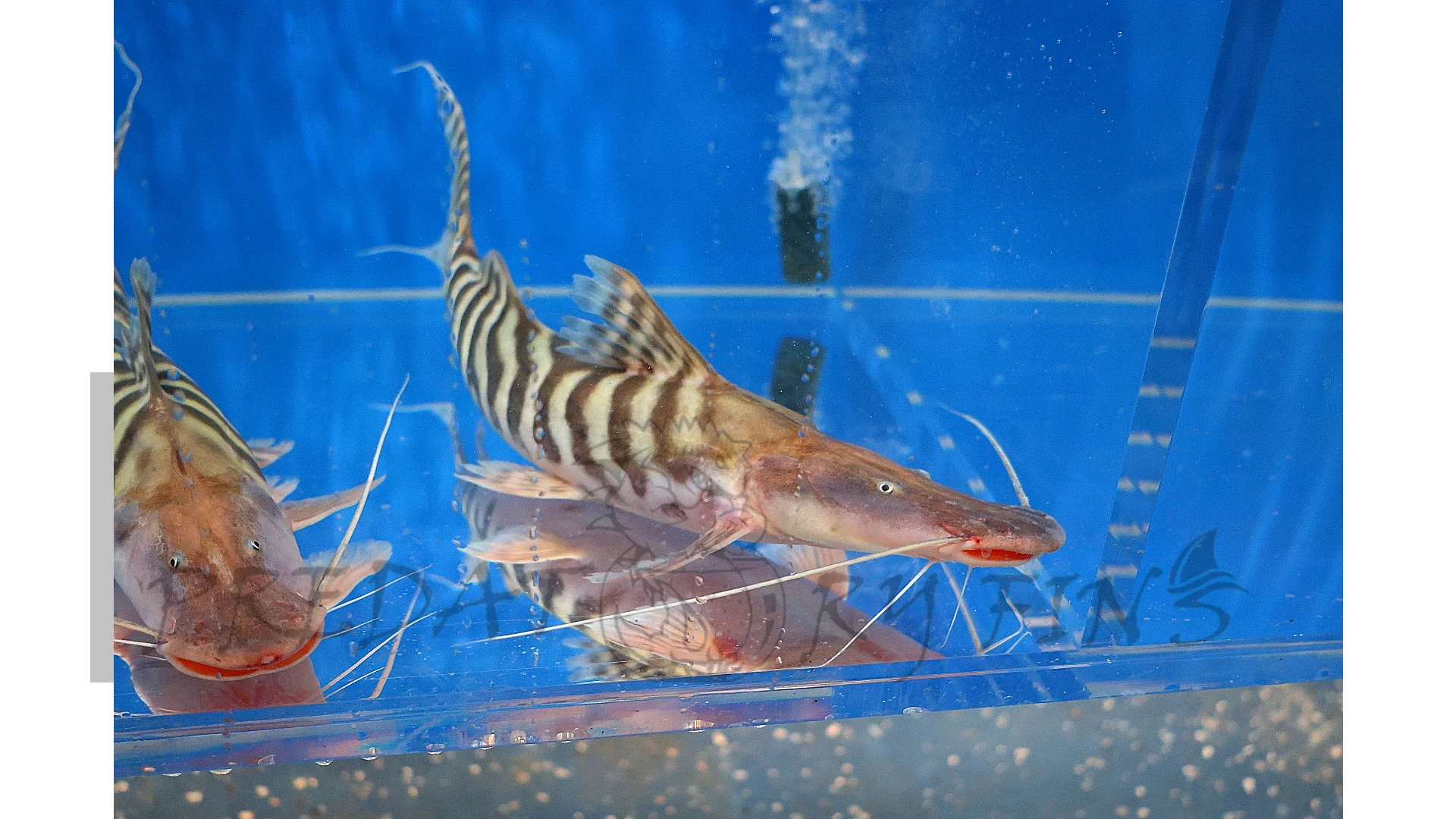
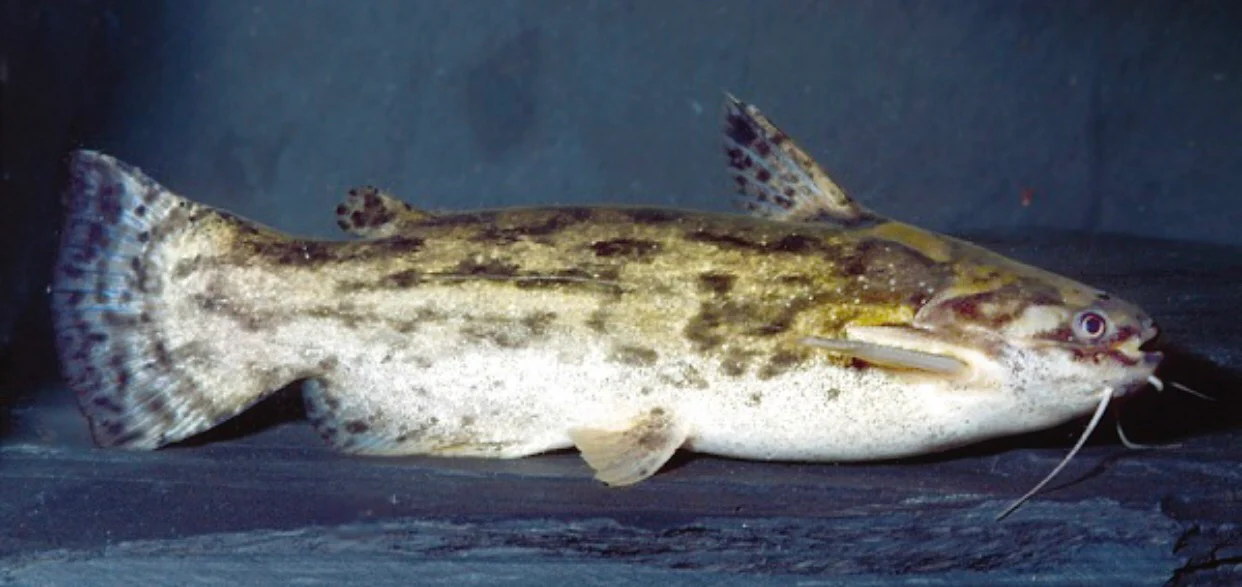
The Jaguar Catfish (Liosomadoras oncinus) is a rare and visually striking species known for its bold, jaguar-like pattern and compact, armored body. Native to South America, this unique catfish stands out with its intricate markings and quirky personality. Unlike larger predatory catfish, the Jaguar Catfish remains relatively manageable in size, making it a great option for hobbyists looking for something uncommon yet practical. Its nocturnal habits and distinctive appearance make it a fascinating addition to any well-planned aquarium.
Diet:
Carnivorous.
- Feeds on worms, insects, shrimp, and other meaty foods
- Accepts frozen foods such as bloodworms, brine shrimp, and chopped seafood
- Will also take sinking pellets
- Feed 3–4 times per week, preferably in the evening
Behavior:
- Peaceful to semi-aggressive
- Primarily nocturnal and more active at night
- Tends to hide during the day and explore after lights out
- Generally calm but may eat very small tank mates
Max Size:
- Up to 4–5 inches (10–13 cm)
Tank Mates:
- Best kept with small to medium peaceful fish
- Can be housed in community tanks with non-aggressive species
- Avoid very small fish or fry that may be eaten
Tank Size:
- Minimum: 20–30 gallons
- Provide plenty of hiding spots such as caves, driftwood, and plants
- Moderate filtration with stable water conditions
Original: $38.00
-65%$38.00
$13.30Product Information
Product Information
Shipping & Returns
Shipping & Returns
Description
Jaguar Catfish (Liosomadoras oncinus)
Description:
The Jaguar Catfish (Liosomadoras oncinus) is a rare and visually striking species known for its bold, jaguar-like pattern and compact, armored body. Native to South America, this unique catfish stands out with its intricate markings and quirky personality. Unlike larger predatory catfish, the Jaguar Catfish remains relatively manageable in size, making it a great option for hobbyists looking for something uncommon yet practical. Its nocturnal habits and distinctive appearance make it a fascinating addition to any well-planned aquarium.
Diet:
Carnivorous.
- Feeds on worms, insects, shrimp, and other meaty foods
- Accepts frozen foods such as bloodworms, brine shrimp, and chopped seafood
- Will also take sinking pellets
- Feed 3–4 times per week, preferably in the evening
Behavior:
- Peaceful to semi-aggressive
- Primarily nocturnal and more active at night
- Tends to hide during the day and explore after lights out
- Generally calm but may eat very small tank mates
Max Size:
- Up to 4–5 inches (10–13 cm)
Tank Mates:
- Best kept with small to medium peaceful fish
- Can be housed in community tanks with non-aggressive species
- Avoid very small fish or fry that may be eaten
Tank Size:
- Minimum: 20–30 gallons
- Provide plenty of hiding spots such as caves, driftwood, and plants
- Moderate filtration with stable water conditions