

Albino Red Lucy Pearl Hybrid Stingray (Potamotrygon jabuti sp)
Albino Red Lucy Pearl Hybrid Stingray (Potamotrygon jabuti sp. hybrid)
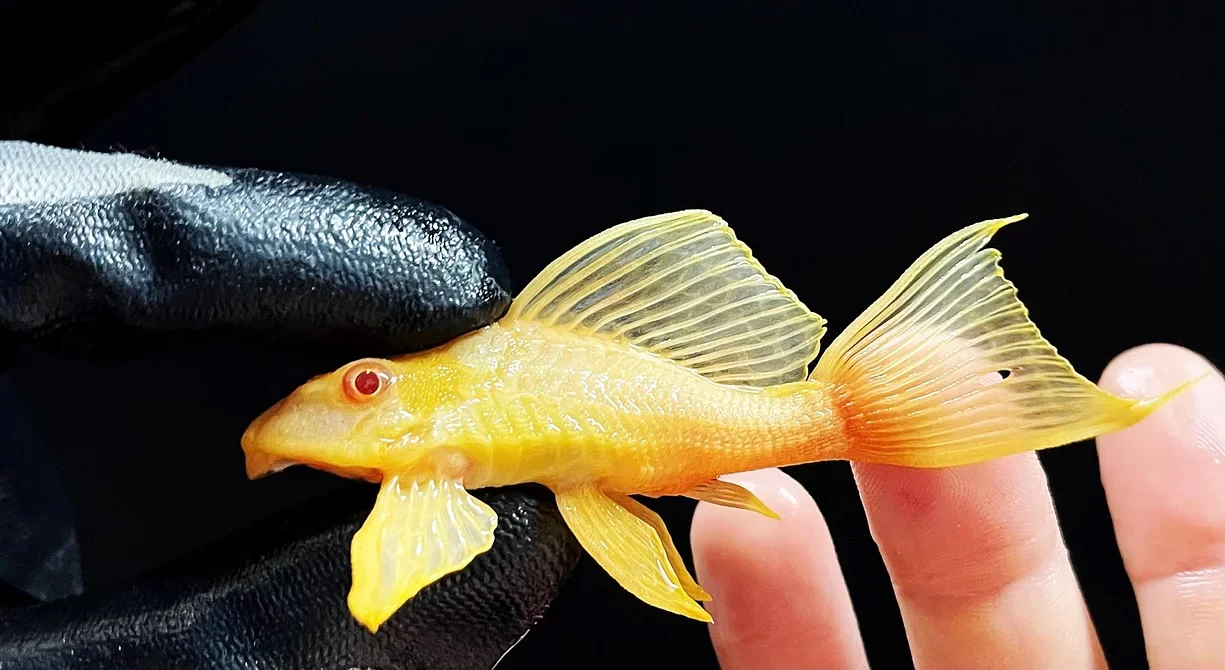
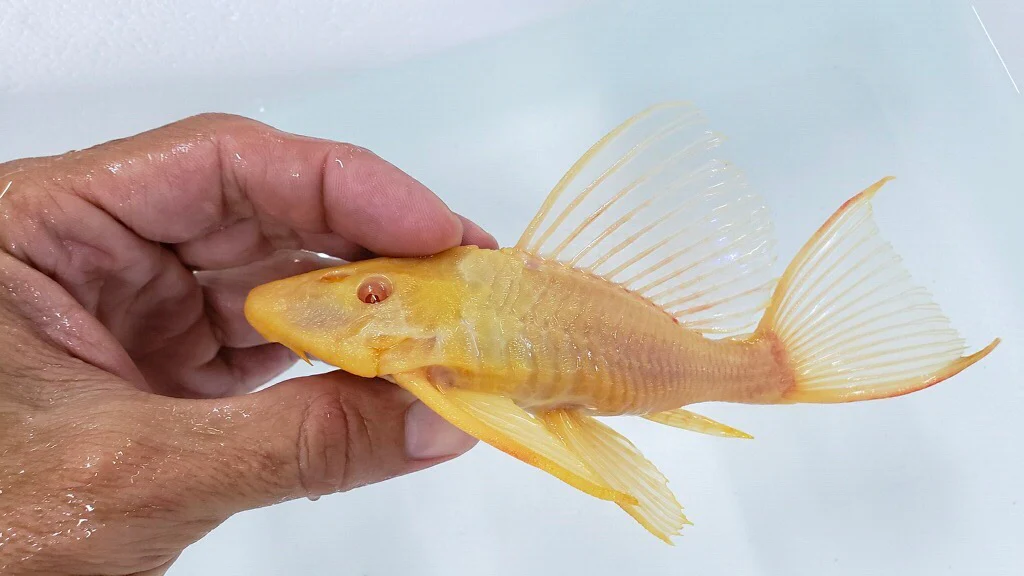
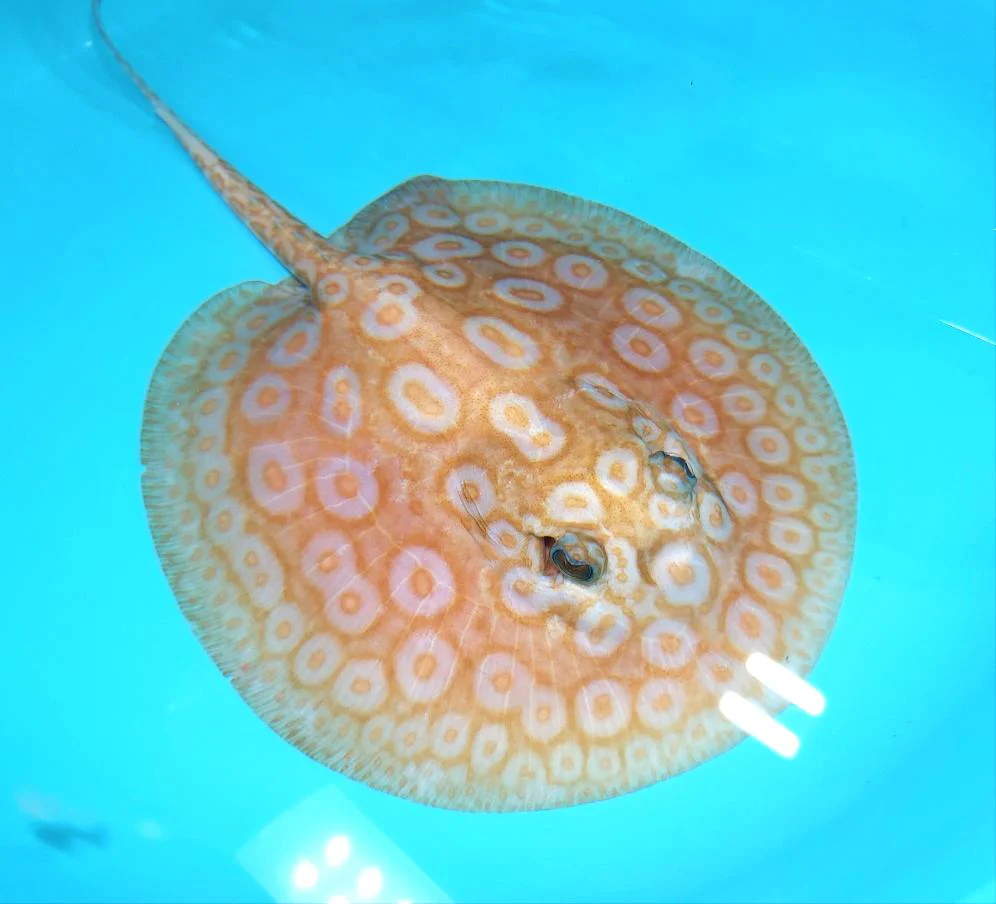
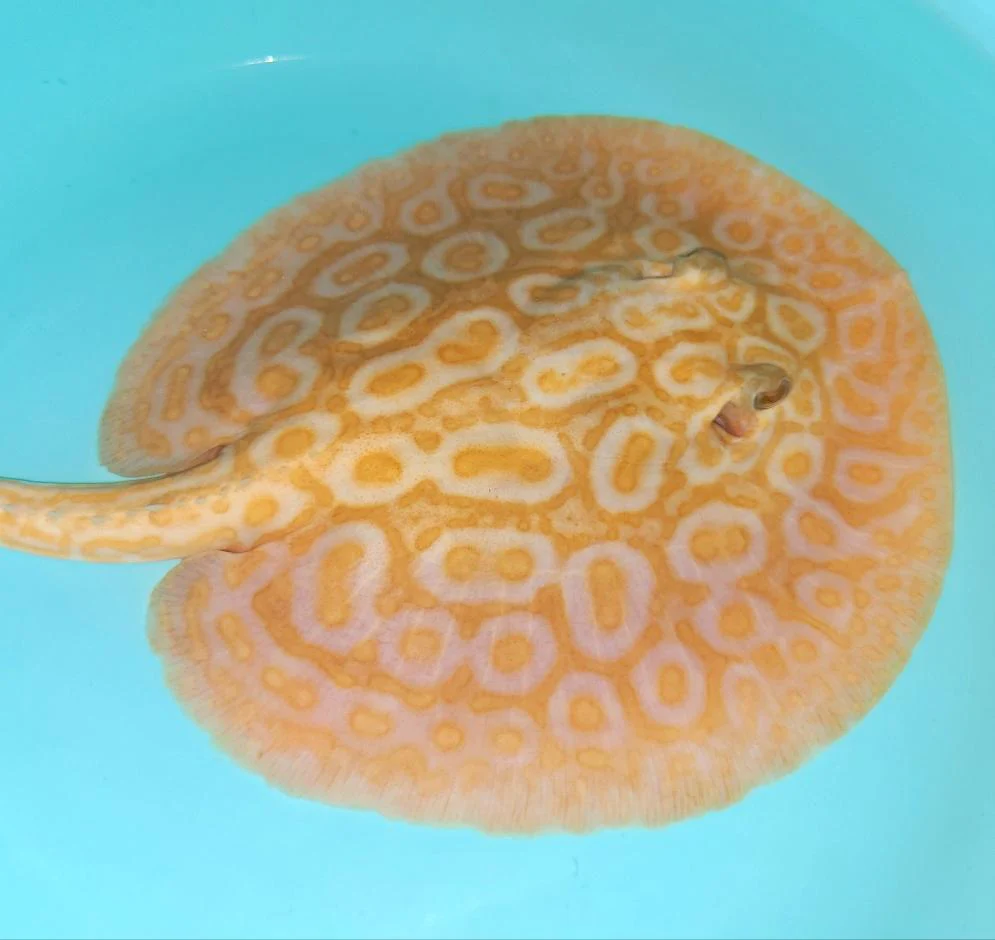
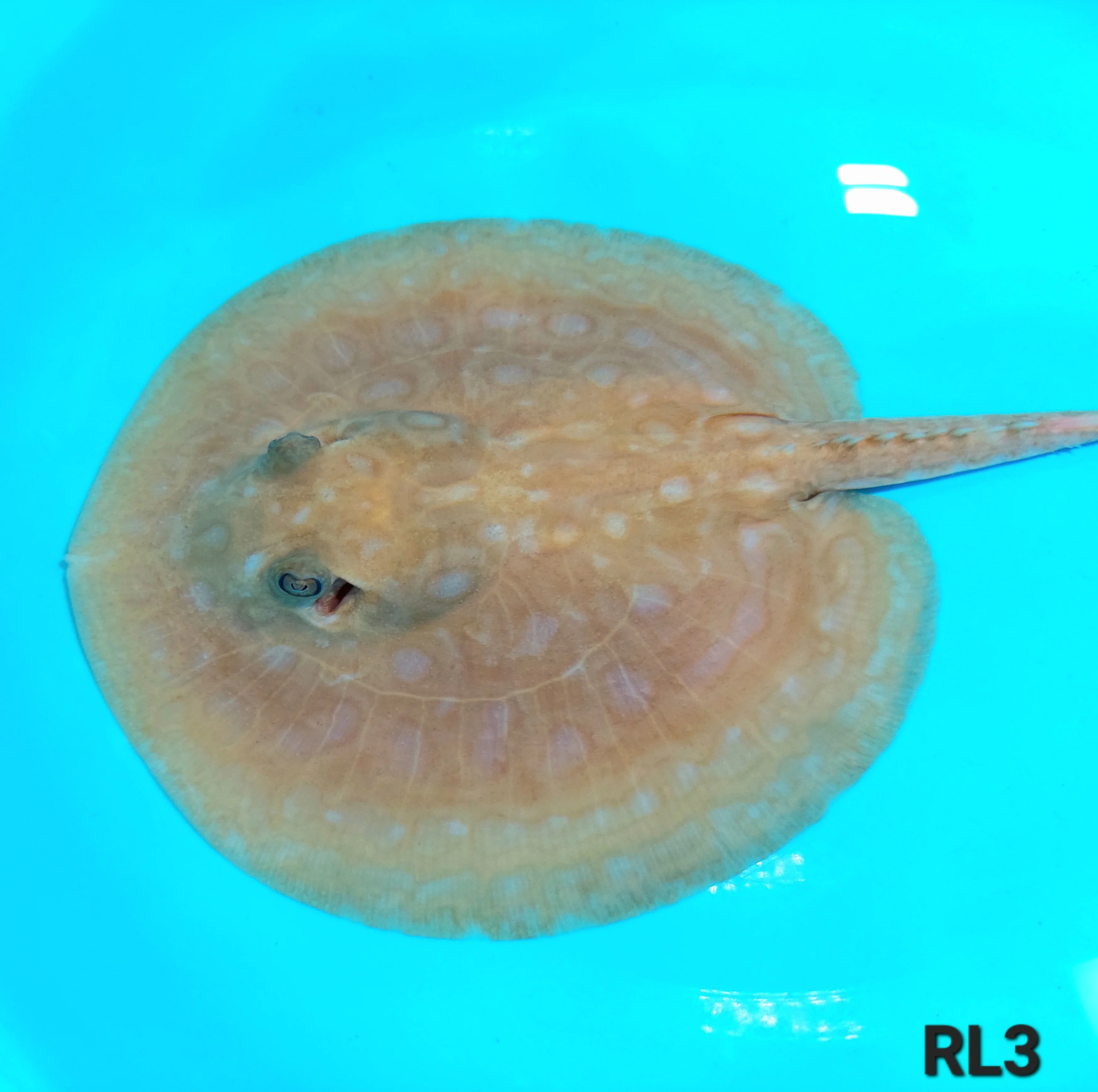
The Albino Red Lucy Pearl Hybrid Stingray is a true centerpiece freshwater ray—bred for an ultra-bright albino base, warm red “Lucy” tone, and a high-contrast pearl pattern that pops under good lighting. This is a premium display animal with big personality: intelligent, food-motivated, and always cruising the sand looking for its next meal. Like all Potamotrygon, it thrives when kept in pristine water, stable temperatures, and a wide, open footprint that lets it glide naturally.
Because this is a hybrid, pattern and coloration can vary slightly from ray to ray—each one is essentially one-of-one.
Tank Size
-
Minimum (juvenile): 180 gallons (6 ft tank)
-
Recommended (adult): 240–300+ gallons, 8 ft long preferred
-
Footprint matters most: aim for wide and long (rays use floor space more than height)
Substrate: fine sand is strongly recommended (protects the disc and helps natural behavior).
Filtration: oversized biological filtration + strong aeration; rays are messy eaters.
Water Parameters
-
Temperature: 78–82°F (25.5–27.8°C)
-
pH: 6.2–7.2 (stable is more important than chasing numbers)
-
GH: 3–8 dGH
-
KH: 1–4 dKH
-
Ammonia/Nitrite: 0 ppm (must be zero)
-
Nitrate: ideally < 20 ppm (lower is better)
Water quality note: Stingrays are extremely sensitive to deteriorating conditions—consistent maintenance and clean, oxygen-rich water is the key to long-term success.
Tank Mates (Best Options)
Choose tank mates that are peaceful, non-nippy, and large enough not to be eaten:
Great companions:
-
Larger peaceful South American cichlids (non-aggressive types)
-
Silver dollars
-
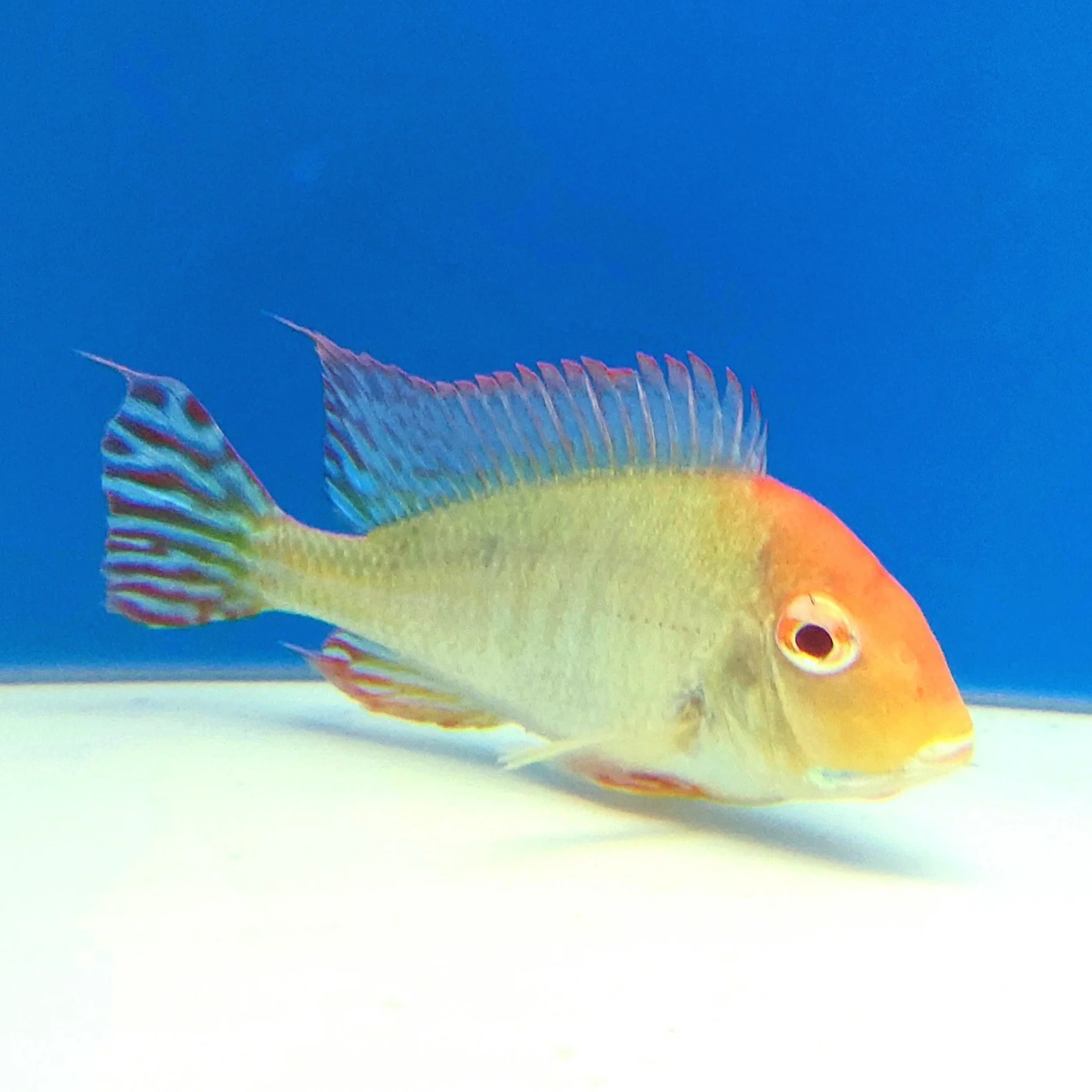
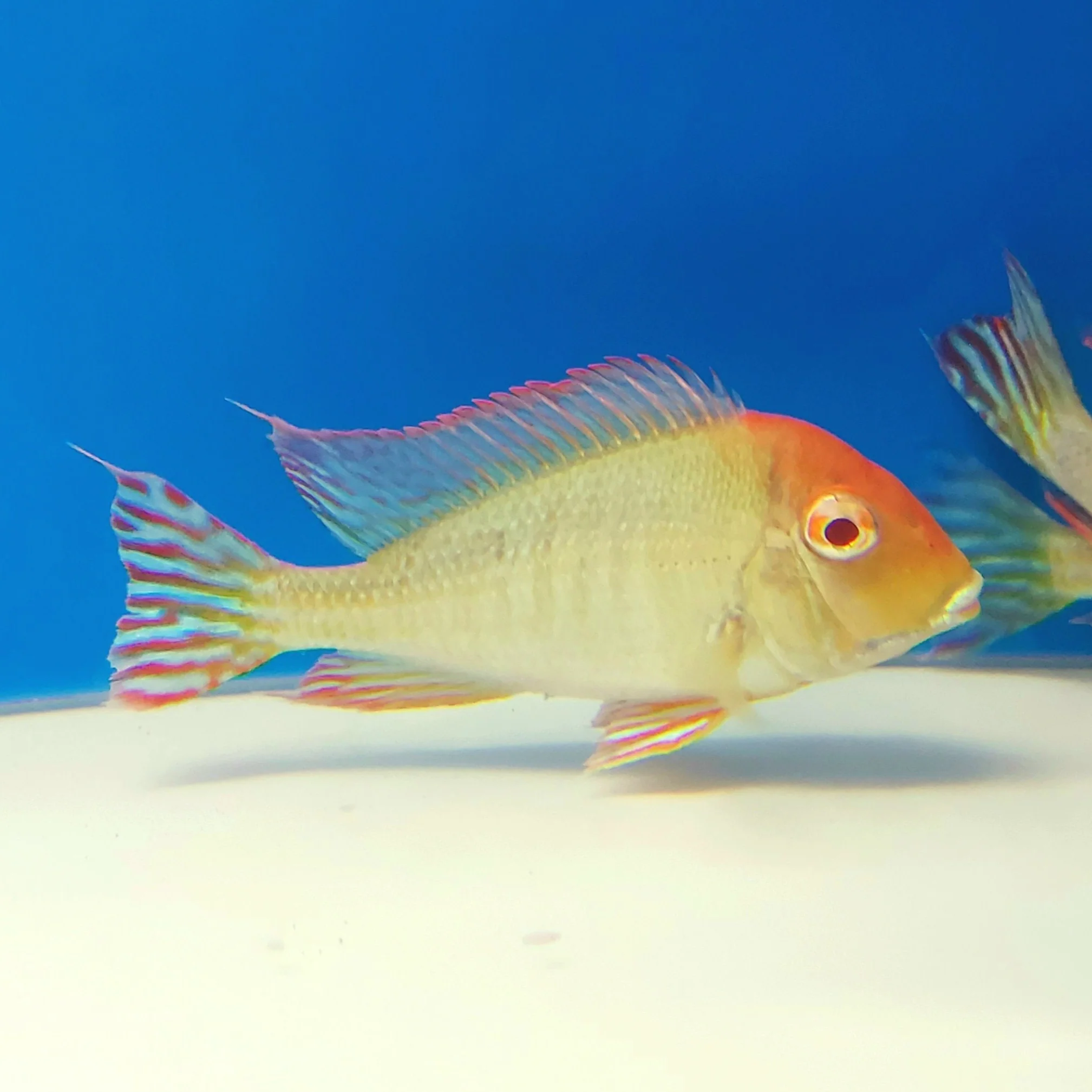
Larger Geophagus / eartheaters
-
Severums (with careful monitoring)
-
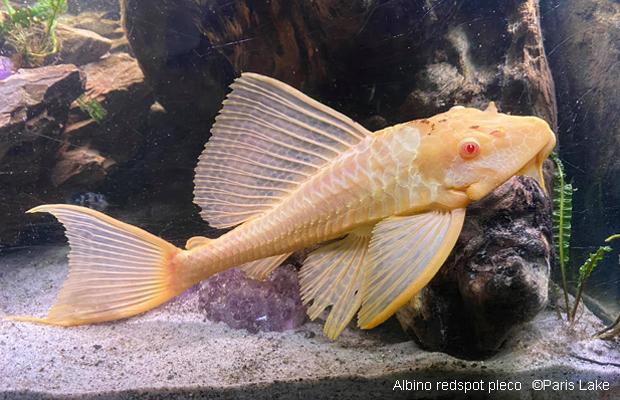
Larger plecos (choose smooth-bodied species; avoid overly spiny/nippy types)
-
Some larger, calm catfish (depending on species/temperament)
Avoid:
-
Fin nippers (tiger barbs, many smaller tetras, etc.)
-
Aggressive cichlids that may bite the ray’s disc
-
Very small fish (often become food)
-
Overly spined/armored fish that can cause injury during feeding competition
-
Any fish known to be overly fast/greedy at feeding time if it causes the ray to miss meals
Feeding
A healthy ray should be eating consistently. Offer a varied meaty diet such as:
-
High-quality sinking carnivore pellets (ray-friendly)
-
Shrimp, krill, mussel, clam
-
Earthworms / blackworms (where appropriate)
-
Occasional fish-based foods (clean sources)
Feed juveniles more frequently, and adults in steady portions while maintaining excellent filtration and water changes.
Original: $650.00
-65%$650.00
$227.50Product Information
Product Information
Shipping & Returns
Shipping & Returns
Description
Albino Red Lucy Pearl Hybrid Stingray (Potamotrygon jabuti sp. hybrid)
The Albino Red Lucy Pearl Hybrid Stingray is a true centerpiece freshwater ray—bred for an ultra-bright albino base, warm red “Lucy” tone, and a high-contrast pearl pattern that pops under good lighting. This is a premium display animal with big personality: intelligent, food-motivated, and always cruising the sand looking for its next meal. Like all Potamotrygon, it thrives when kept in pristine water, stable temperatures, and a wide, open footprint that lets it glide naturally.
Because this is a hybrid, pattern and coloration can vary slightly from ray to ray—each one is essentially one-of-one.
Tank Size
-
Minimum (juvenile): 180 gallons (6 ft tank)
-
Recommended (adult): 240–300+ gallons, 8 ft long preferred
-
Footprint matters most: aim for wide and long (rays use floor space more than height)
Substrate: fine sand is strongly recommended (protects the disc and helps natural behavior).
Filtration: oversized biological filtration + strong aeration; rays are messy eaters.
Water Parameters
-
Temperature: 78–82°F (25.5–27.8°C)
-
pH: 6.2–7.2 (stable is more important than chasing numbers)
-
GH: 3–8 dGH
-
KH: 1–4 dKH
-
Ammonia/Nitrite: 0 ppm (must be zero)
-
Nitrate: ideally < 20 ppm (lower is better)
Water quality note: Stingrays are extremely sensitive to deteriorating conditions—consistent maintenance and clean, oxygen-rich water is the key to long-term success.
Tank Mates (Best Options)
Choose tank mates that are peaceful, non-nippy, and large enough not to be eaten:
Great companions:
-
Larger peaceful South American cichlids (non-aggressive types)
-
Silver dollars
-
Larger Geophagus / eartheaters
-
Severums (with careful monitoring)
-
Larger plecos (choose smooth-bodied species; avoid overly spiny/nippy types)
-
Some larger, calm catfish (depending on species/temperament)
Avoid:
-
Fin nippers (tiger barbs, many smaller tetras, etc.)
-
Aggressive cichlids that may bite the ray’s disc
-
Very small fish (often become food)
-
Overly spined/armored fish that can cause injury during feeding competition
-
Any fish known to be overly fast/greedy at feeding time if it causes the ray to miss meals
Feeding
A healthy ray should be eating consistently. Offer a varied meaty diet such as:
-
High-quality sinking carnivore pellets (ray-friendly)
-
Shrimp, krill, mussel, clam
-
Earthworms / blackworms (where appropriate)
-
Occasional fish-based foods (clean sources)
Feed juveniles more frequently, and adults in steady portions while maintaining excellent filtration and water changes.